
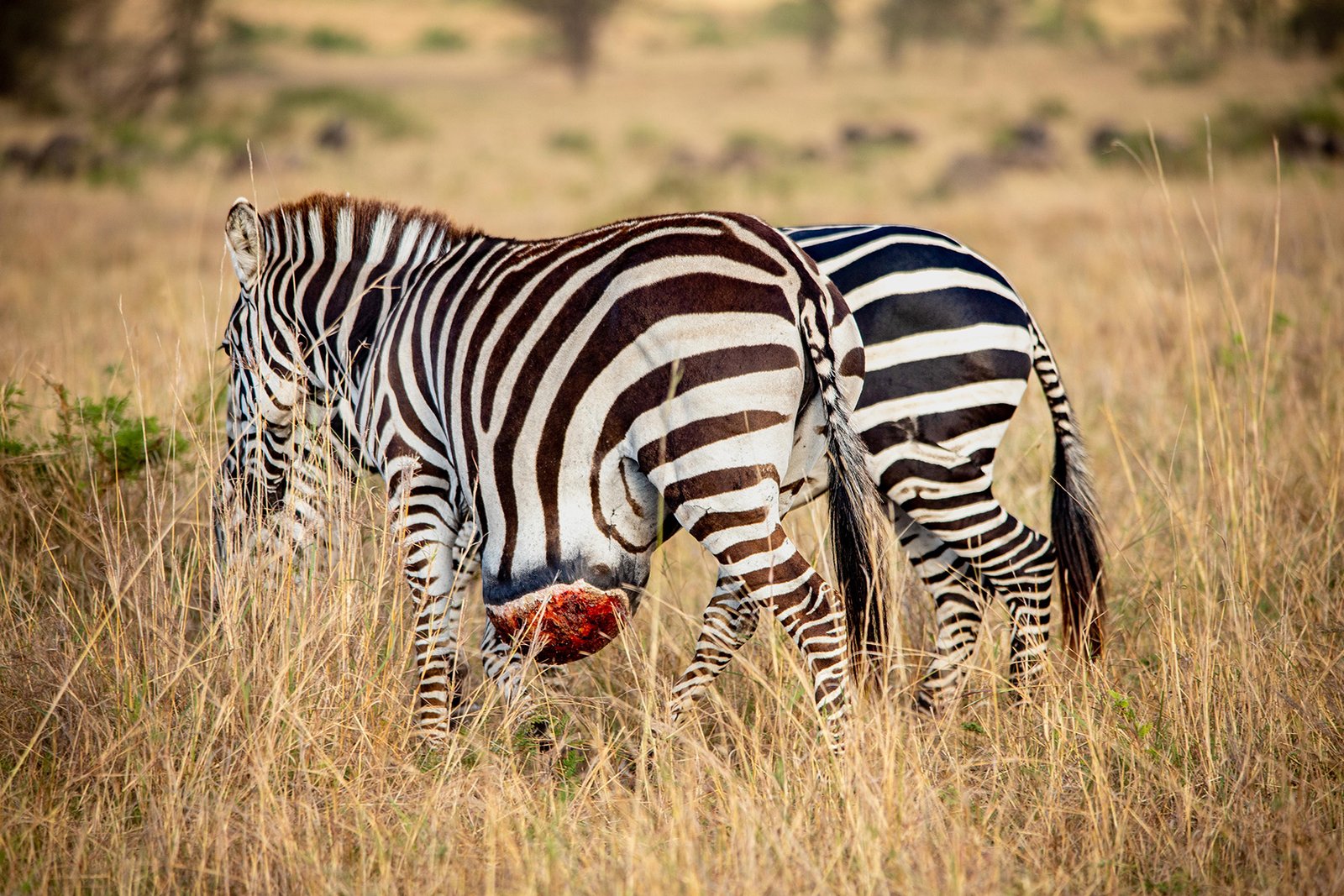
Conservation is more than a professional path for me, it is a commitment shaped by experience, immersion, and daily encounters with the wild. Since stepping into the heart of the Serengeti, I have come to understand that protecting wildlife is not only about advocacy, but about presence, patience, and perspective.
Working in one of Africa’s most iconic ecosystems has allowed me to witness the delicate balance between survival and harmony. Every sunrise over the plains, every silent movement in the grass, and every distant call carries a reminder that nature thrives when respected.
Through photography and filmmaking, I aim to translate these experiences into stories that inspire awareness and responsibility. Conservation, for me, begins with understanding and storytelling is how I share that understanding with the world.
Since joining Serengeti Balloon Safaris in September 2022, the wilderness has truly become my second home. Working within Serengeti National Park feels like standing on the perfect pitch of a camera field, a place where every sunrise paints a new canvas, every distant roar echoes a story, and every movement across the plains carries meaning.
The Serengeti is not just a location; it is a living, breathing ecosystem that constantly reminds me why I chose wildlife photography and storytelling. Being surrounded daily by vast savannahs, roaming herds, predators on the hunt, and endless skies has transformed my perspective on conservation.
Here, nature operates on its own rhythm. There are no shortcuts. Patience becomes essential. Respect becomes instinctive. And storytelling becomes purposeful.
Living and working in the Serengeti has allowed me to witness wildlife beyond brief encounters. Instead of isolated moments, I observe patterns, migration routes, predator-prey dynamics, territorial behavior, and seasonal changes. This immersion has deepened my understanding of how fragile and interconnected ecosystems truly are.
Every morning balloon flight over the plains reveals something new: elephants moving silently through golden grass, lions returning from a night hunt, or wildebeests stretching endlessly toward the horizon. These moments are not staged or predictable. They are raw and authentic.
Through constant exposure to such scenes, my approach to photography and filmmaking has matured. I no longer chase images; I wait for stories to unfold naturally.
One of the greatest privileges of working in the Serengeti has been meeting conservation filmmakers and photographers from around the world. Many visit to document wildlife behavior, migration patterns, or environmental challenges facing the ecosystem.
Engaging with these professionals has expanded my perspective on visual storytelling. I have observed how they plan sequences, anticipate animal behavior, frame landscapes, and use light to evoke emotion. Some focus heavily on research and scientific accuracy, while others emphasize emotional narratives that connect audiences to wildlife.
Through conversations and occasional field collaborations, I have learned that conservation storytelling requires both artistry and responsibility. It is not only about capturing dramatic scenes but about presenting them truthfully and ethically.
These interactions have sharpened my technical skills and strengthened my creative vision. They have also shown me the global importance of the Serengeti and why protecting it matters beyond Tanzania’s borders.
The Serengeti is one of the greatest classrooms a wildlife storyteller can have. Every day brings a lesson.
Patience is perhaps the most important one. Wildlife does not perform on command. Sometimes I wait hours for a single meaningful frame. In those quiet moments, I learn to listen, to the wind, to distant calls, to subtle movements in the grass.
Timing is another constant lesson. A few seconds can transform an ordinary image into an extraordinary one. The precise moment a lion locks eyes with its prey, or when the sun aligns perfectly behind a migrating herd, requires readiness and awareness.
Respect for wildlife behavior is fundamental. Understanding boundaries ensures that storytelling does not disturb the very subjects we aim to protect. Ethical practice is not optional; it is essential.
Working in Serengeti National Park has shaped more than my technical abilities. It has shaped my professional identity.
Being immersed in conservation environments has strengthened my commitment to authentic storytelling. I have come to understand that images can influence perception, raise awareness, and inspire action. With that influence comes responsibility.
The Serengeti continues to challenge me, creatively, physically, and emotionally. It pushes me to improve, to observe more deeply, and to tell stories that highlight both the beauty and vulnerability of wildlife.
This journey is not only about documenting animals; it is about advocating for ecosystems that sustain them. It is about showing the world why conservation matters.
Since September 2022, my time with Serengeti Balloon Safaris in Serengeti National Park has been transformative. The wilderness has become my second home, my training ground, and my inspiration.
Through daily immersion, global collaborations, and constant learning, I have grown as both a photographer and a conservation storyteller. The Serengeti continues to shape my vision and strengthen my dedication to protecting wildlife through honest, powerful imagery.
Every sunrise over these plains reminds me that conservation is not just a concept, it is a responsibility. And through my lens, I strive to honor that responsibility every single day.