
In 2022, I had the privilege of volunteering as a photographer and graphic designer with the Wildlife Conservation Society of Tanzania (WCST) in Dar es Salaam. At the time, I was still developing my journey in wildlife photography, driven more by passion than professional recognition. What I did not realize then was that this experience would become one of the most important stepping stones in shaping my path as a conservation storyteller.
The Bird Watching Project was not simply about observing birds. It was about creating awareness, connecting young people with nature, and highlighting the importance of urban biodiversity. It demonstrated that conservation is not limited to national parks like Serengeti or Mikumi, it also begins in cities, campuses, and local green spaces.
Through this initiative, I discovered the power of photography in environmental education. I learned that a single image can spark curiosity, inspire appreciation, and encourage responsibility toward nature.
The primary goal of the bird-watching initiative was to promote awareness about bird species found within Dar es Salaam. Many people associate wildlife exclusively with remote wilderness areas, overlooking the rich ecosystems that exist within cities. However, urban spaces can host an impressive diversity of birdlife when green areas are preserved and respected.
By organizing monthly bird-watching sessions, WCST aimed to educate students and encourage them to observe their surroundings more closely. The project focused on identification skills, understanding bird behavior, and appreciating the ecological role birds play in urban environments.
Birds are essential indicators of ecosystem health. They contribute to seed dispersal, pest control, and pollination. Through structured field activities, students began to understand how even small conservation efforts can protect urban biodiversity.
The bird-watching sessions were held on the first Saturday of every month. Students from various colleges across Dar es Salaam participated, accompanied by their leaders and facilitators. Each session was carefully organized to combine practical field observation with educational discussion.
Participants used binoculars and field guides to identify species based on physical characteristics, calls, and behavior. Some birds were easily visible, perched on tree branches or moving across open spaces. Others required patience and careful listening to detect their presence.
These sessions were not rushed. Bird watching demands stillness, focus, and respect for the environment. Students learned to slow down, observe quietly, and appreciate subtle details. This process itself became a valuable lesson in mindfulness and environmental awareness.
Most of our birding sessions took place at the University of Dar es Salaam campus. The university provided an ideal setting due to its relatively protected environment, mature tree cover, and limited disturbance compared to other areas in the city.
The campus hosts a mixture of indigenous and planted trees, creating diverse habitats that attract various bird species. Its open green spaces, combined with shaded areas and vegetation, offer feeding and nesting grounds for birds.
Conducting our activities there allowed students to observe a wide range of species within a controlled and safe environment. It became clear that when urban green spaces are protected, they can serve as mini-ecosystems supporting biodiversity.
During these sessions, my favorite place was behind the camera. Although I was not yet a professional wildlife photographer, I approached each activity with deep commitment and enthusiasm.
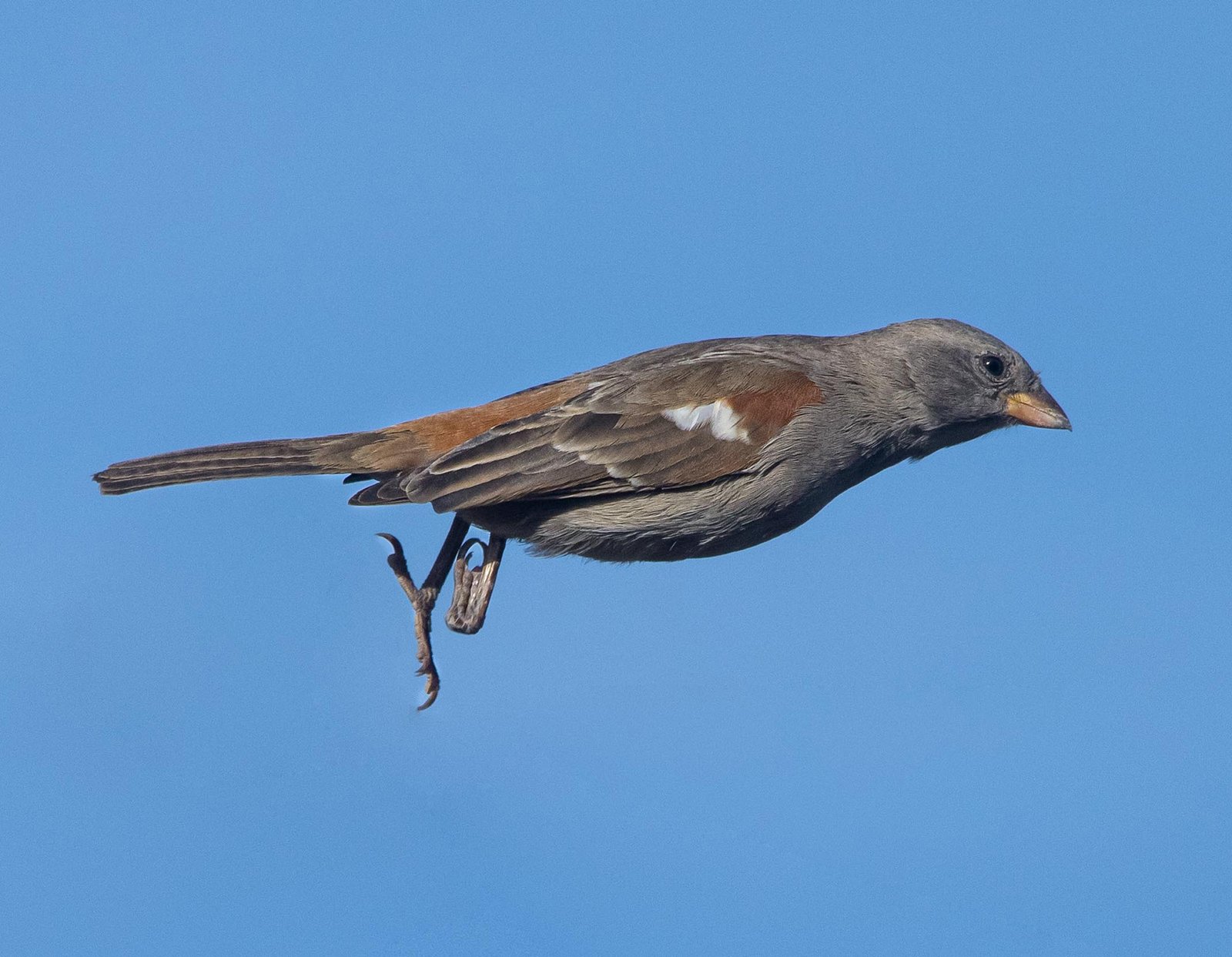
I documented the birds themselves, perched in trees, in flight, or interacting with their environment. But equally important to me were the human moments. I captured students concentrating through binoculars, pointing excitedly after identifying a species, and discussing observations with their peers.
These moments reflected more than just learning; they showed connection. Photography allowed me to preserve these interactions, transforming them into visual stories that could inspire others.
Bird photography is one of the most challenging forms of wildlife photography. Birds move quickly, often unpredictably, and are highly sensitive to disturbance. Capturing them requires patience, proper timing, and understanding of light conditions.
Through this project, I strengthened my ability to anticipate movement and adjust camera settings rapidly. I learned to remain still for long periods, waiting for the right moment. I became more aware of natural lighting and composition, using tree branches, sky backgrounds, and foliage to frame my subjects.
This hands-on experience significantly improved my field discipline and sharpened my eye for detail.
One of the most rewarding aspects of the Bird Watching Project was witnessing students develop curiosity and appreciation for nature. Many participants initially joined out of interest or academic obligation, but over time, their enthusiasm grew.
Some students began identifying birds independently, while others asked deeper questions about migration, conservation challenges, and ecosystem balance. It became clear that exposure leads to awareness, and awareness leads to responsibility.
By combining education with direct experience, the project helped cultivate a generation that sees value in protecting urban wildlife.
Photography played a crucial role in extending the impact of the project beyond the field sessions. Images captured during bird-watching activities were used in reports, presentations, and online platforms to showcase the importance of urban conservation.
Visual storytelling helped communicate the message that biodiversity exists within cities and deserves attention. Through images, people who did not attend the sessions could still witness the richness of Dar es Salaam’s birdlife.
This experience reinforced my belief that photography is not only an art form but also a conservation tool. Images can educate, inspire, and influence perception in powerful ways.
The Bird Watching Project with WCST strengthened my confidence as a developing wildlife photographer. It provided real-world field experience, allowed me to work within a conservation framework, and taught me the importance of ethical wildlife practices.
I learned to respect natural habitats, minimize disturbance, and prioritize animal welfare during photography. These principles became foundational in my professional approach to wildlife storytelling.
Most importantly, the project deepened my sense of purpose. It reminded me that my journey in photography is not solely about capturing beautiful images, but about contributing to awareness and conservation.
The Bird Watching Project with WCST was more than a volunteer activity, it was a formative chapter in my journey toward becoming a professional wildlife photographer and filmmaker. It combined education, conservation, and storytelling in a way that profoundly shaped my perspective.
Through monthly bird-watching sessions in Dar es Salaam, I witnessed how urban spaces can serve as important habitats and how young people can be inspired through direct engagement with nature. I strengthened my technical skills, refined my patience, and discovered the powerful role photography plays in conservation education.
This project reaffirmed my belief that meaningful wildlife storytelling does not only happen in remote national parks. Sometimes, it begins in a university campus, under the shade of city trees, where students quietly observe birds and begin to understand the value of protecting the natural world around them.
The lessons I learned during this experience continue to influence my work today. They remind me that conservation starts with awareness, awareness begins with observation, and observation often starts with a single moment, captured through a lens.